
Key Takeaways
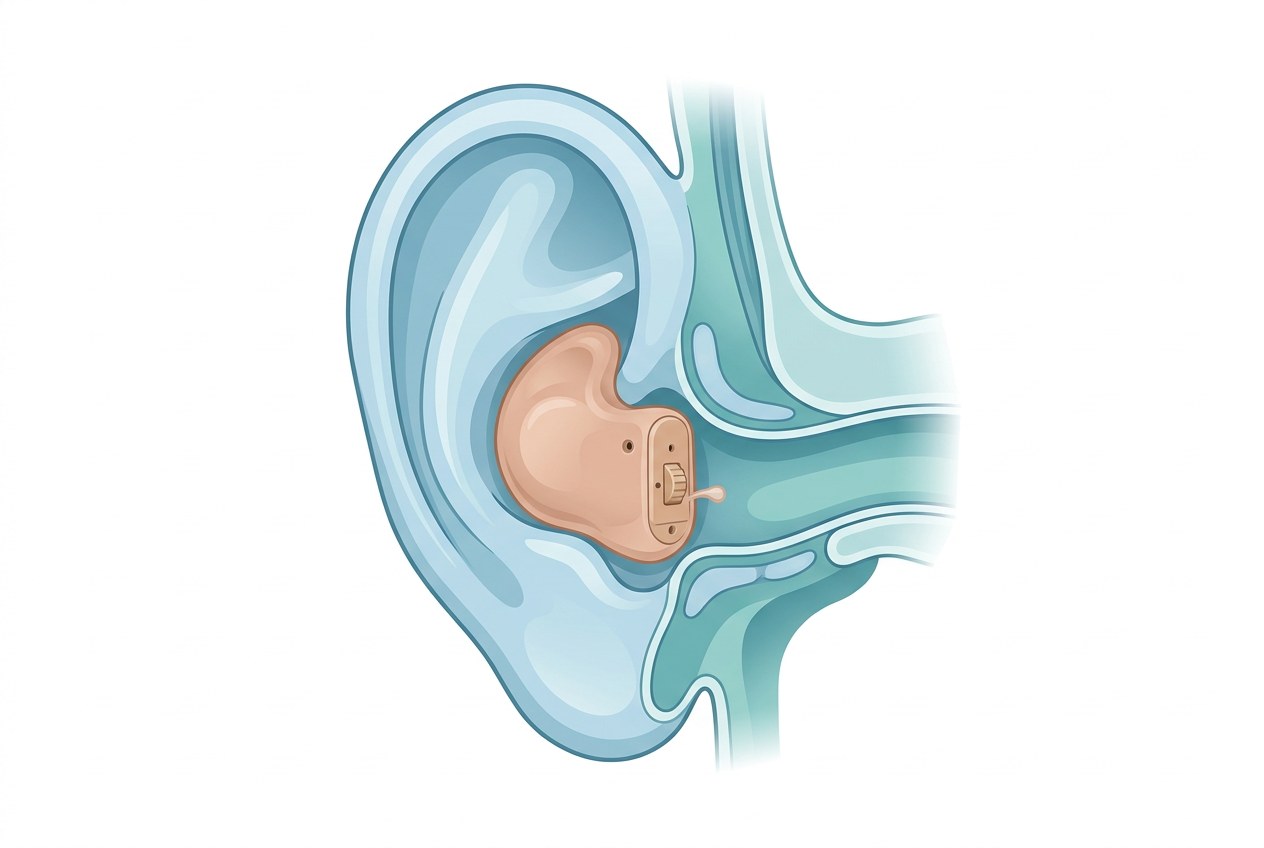
- In the ear hearing aids sit inside your outer ear or ear canal, so they are small and easy to handle
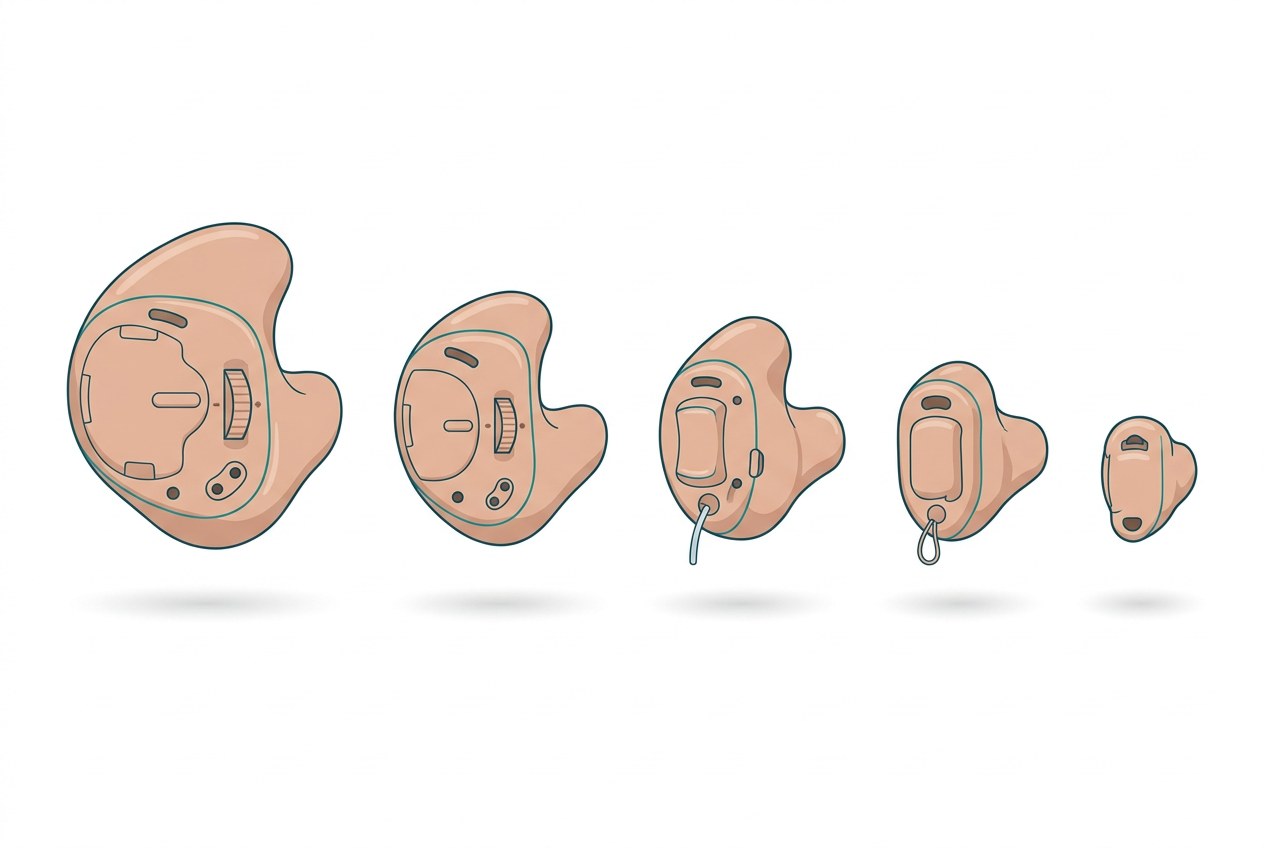
- There are five main styles: full shell, half shell, in the canal, completely in canal, and invisible in canal
- These devices fit mild to severe hearing loss, depending on the style and your ear shape
- ITE aids are custom molded to the shape of your ear, so they fit snugly and feel natural
- They are easy to insert, easy to clean, and work well for people with limited dexterity
- Regular cleaning and a professional checkup keep your device dependable year after year
What Are In the Ear Hearing Aids?
Hearing loss can make daily life feel quiet and frustrating. Our licensed team at Ear to Hear helps people find clear, comfortable hearing again with professional care. If you are exploring in the ear hearing aids, this guide explains every style, how they work, and who they help.
In this article, we cover the full range of in-the-ear styles. You will learn what each type looks like, how each one fits in your ear canal, and which one may suit your hearing needs. Our goal is simple: we want you to feel confident before your next hearing test.
How In the Ear Hearing Aids Work
In the ear hearing aids are custom devices that sit inside the outer bowl of your ear or within your ear canal. Unlike behind the ear hearing aids, all of the working parts live in one small shell. A specialist shapes that shell from a mold of your ear, so the fit is exact.
Each aid holds a microphone, an amplifier, a speaker, and a small battery. Our experienced team programs the sound to match your hearing test results. That tuning helps restore clear speech and soft everyday sounds.
Full Shell ITE Hearing Aids
The full shell style fills most of the outer bowl of your ear. It is the largest in-the-ear type, and that size brings real benefits. The larger face plate fits bigger batteries, so the aid may run longer. It also leaves room for volume wheels and program buttons.
Full shell aids can support stronger amplification, which makes them a proven option for moderate to severe hearing loss. Because the shell hugs the curves of your outer ear, it stays put during daily activity. It is also easy to insert with your fingers and simple to wipe clean.
If you have trouble handling small objects, this dependable style is often a safe first choice. Our specialists can show you each part during your fitting.
Half Shell Hearing Aids
The half shell type fills only the lower half of the outer ear. It is a middle ground in size, still large enough for a manual button but lighter and less visible than the full shell. Many first-time wearers pick this style for its balance of comfort, control, and appearance.
Half shell aids work well for mild to severe hearing loss. The custom mold still seals your ear canal, which helps reduce feedback. Some models also support Bluetooth features, so you can stream calls and audio from your phone.
In the Canal (ITC) Hearing Aids
An in the canal aid sits partly inside your ear canal, with a small face plate visible near the opening of your ear. It is smaller than a half shell, so it is less noticeable and easier to handle than the tiniest styles.
ITC aids offer a quick, simple setup once you learn the placement. Our professional team teaches a basic insertion technique at your visit. These devices work reliably for mild to moderately severe hearing loss and often include directional microphones.
Because the face plate is small, manual volume wheels may not fit. Many users rely on automatic settings instead. If you find tiny buttons difficult, our specialists will check that this style fits your hands as well as your ears.
Completely in Canal (CIC) Hearing Aids
A completely in canal aid sits fully inside your ear canal. Only a tiny removal handle shows at the opening. Many people choose CIC devices because they are nearly invisible. Hats, glasses, and phone calls all sit without pressure.
The deep placement also helps the aid pick up sound the way your outer ear does naturally. This improves how you judge where sound comes from. CIC aids are a good match for mild to moderate hearing loss.
Small size brings tradeoffs. Batteries are tiny, and manual controls usually do not fit. Your ear canal shape must also allow a safe, deep fit. Our licensed specialists measure this during your hearing evaluation.
Invisible in Canal (IIC) Hearing Aids
The invisible in canal type is the smallest device worn today. It rests deep in the ear canal, past the bend, where no one can see it. For many adults, that hidden placement is the single deciding factor.
IIC aids work well for mild to moderate hearing loss. Our team designs the shell to avoid contact with sensitive canal walls.
There are limits to understand. The tiny unit cannot hold the strongest receiver, so it is not ideal for severe cases. Removal and cleaning take gentle practice. If deep placement is not comfortable, an ITC model is often an easy alternative that looks very similar.
Benefits of In the Ear Hearing Aids
In the ear styles bring real relief from straining to hear. Here is what our patients report most often:
- Natural sound. The receiver sits close to your eardrum, so sound feels true to life.
- Discreet look. The devices sit inside your ear canal or outer ear, not behind it.
- Easy handling. Larger ITE models are simple to insert, remove, and clean.
- Less wind noise. The sealed shell blocks air moving past the microphone.
- Custom comfort. Every shell is molded from your own ear, so the fit is secure.
For many seniors, these benefits are the fastest route back to confident conversation. Hearing aids like these make it easy to join family talks again.
Who Is the Ideal Candidate for ITE Devices
The ideal candidate has mild to moderate hearing loss and wants a discreet device. Adults with dexterity challenges often prefer larger ITE models because the surface is easy to grip. Active people like the snug fit during walking and light exercise.
ITE styles may not suit everyone. Very small ear canals may not hold a deep placement safely. Severe to profound hearing loss may call for more power than a small shell can deliver. Frequent ear infections can also rule out a sealed fit for some wearers. A full hearing test with our team settles these questions with facts, not guesswork.
ITE vs BTE: Which Style Fits You Best
Behind the ear hearing aids hold their parts in a case that sits behind your outer ear. A thin tube carries sound into your ear canal. This layout allows strong power, so BTE styles suit severe and profound hearing loss well.
In the ear models keep everything in one shell. That means no parts behind the ear, fewer snags with masks and glasses, and a more natural look. In the ear designs win on comfort, concealment, and a secure one-piece fit. Behind the ear models win on maximum power.
If power matters most, a behind the ear model may serve you better. If a discreet device matters most, an in the ear model is likely the better match. Our specialists explain both during your visit so you can compare with confidence.
ITE vs RIC and Other Modern Styles
Receiver in canal (RIC) aids are slim devices. The microphone and processor sit behind the ear, and a small speaker rests inside the canal on a thin wire. RIC models are popular because the case is light and the sound is clear.
How do they differ from ITE designs? A RIC splits the device into two connected parts. An ITE keeps everything sealed in one custom shell. RIC aids often carry more advanced features, while ITE designs win on a secure single-piece fit.
Both styles are proven, professional solutions. The right answer depends on your hearing test results, your ear shape, and how you like devices to feel. We fit both every week and can demo each type in the office.
Ready to Find Your Ideal In the Ear Style?
Our licensed specialists will compare every in the ear style with you and help you choose with confidence. Schedule a free hearing test today.
Features to Look For in an ITE Device
Modern hearing aids pack helpful tools into very small shells. When you compare models, look for:
- Noise reduction. Software that lowers background sound so speech stays clear.
- Directional microphones. Two mics that focus on the person in front of you.
- Bluetooth streaming. Bluetooth hearing aids connect to phones for direct audio.
- Rechargeability. Rechargeable hearing aids remove the daily battery swap, which many seniors prefer.
- Feedback control. Systems that stop whistling before it starts.
Tell our team which features matter most to you. We narrow the field to two or three models, then you listen and choose. You can also browse our full line of hearing aids online before your visit. Trying devices first makes the decision easy and pressure free.
Cleaning and Caring for In the Ear Hearing Aids
Daily care keeps your devices dependable and keeps the sound clear. Ear canal wax is the main enemy of a small aid. Follow this simple routine:
- Wipe the shell each night with a soft, dry cloth.
- Use a wax pick or brush to clear the receiver opening.
- Store the aids in a dry box overnight.
- Never use water, alcohol, or cleaning sprays on the device.
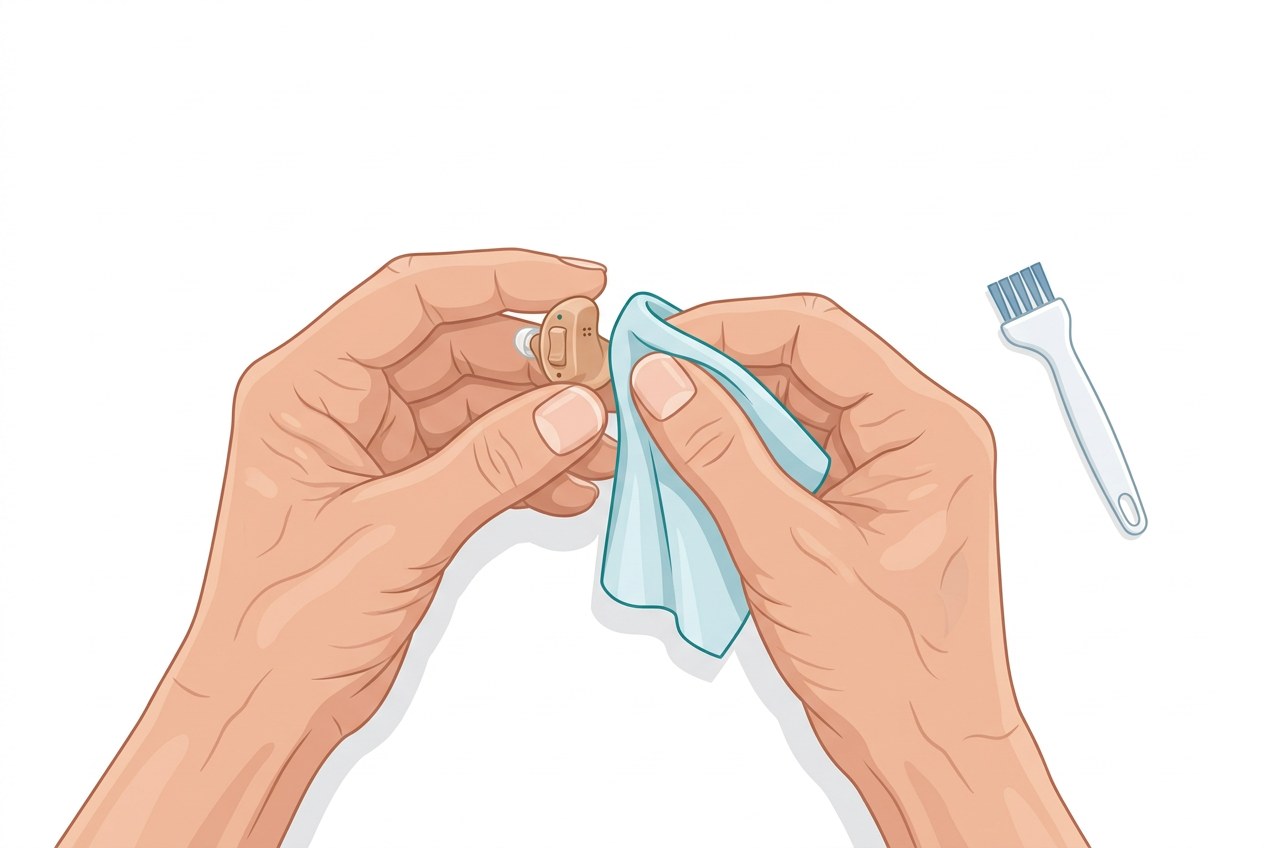
Wondering how to clean in the ear hearing aids safely? Bring them to our office for a professional cleaning. Our team removes deep wax, checks each part, and shows you the correct technique for your exact model. If you ever wonder how to unclog in the ear hearing aids, do not push objects into the receiver opening. A quick professional service usually clears the blockage in minutes.
What to Expect at Your ITE Fitting Appointment
Your fitting takes place after your hearing test. First, we review your results in plain English. Then we take an impression of your ear canal using safe, soft material. The manufacturer builds your custom shell from that mold.
At the second visit, we place the device and program it to your hearing profile. You will hear our voice, sample sounds, and everyday noise levels. We confirm the fit, adjust the sound, and teach insertion, removal, and cleaning. You leave with a plan and our direct support line for questions.
Bring a family member if you wish. Two sets of ears always help on fitting day.
How Our Team Helps You Choose the Right Style
Ear to Hear is a trusted, multi-state clinic serving Florida, Illinois, and Missouri. Our licensed specialists have fitted thousands of custom devices, from tiny IIC models to full shell aids. We take time to learn how you live, then match technology to your real daily needs.
Your journey starts with a hearing test at no charge. We check your ear canal health, measure your hearing loss, and discuss every suitable option. Our hearing care services include fittings, cleanings, repairs, and yearly checkups, so your devices stay reliable for years. If another style would serve you better, we say so plainly and explain why.
Ready to hear your family clearly again? Schedule a free hearing test with our experienced team today. We make the process simple, and we stay with you after the fitting.
Your In the Ear Hearing Aids Questions Answered
Most in the ear devices last three to seven years with good care. Wax, moisture, and skin oils wear on small parts over time. Regular professional cleanings and yearly checkups extend their life. When your hearing changes, we reprogram your aid or discuss newer technology.
No, a full shell or half shell aid should not fall out. Each device is custom molded to your ear, so it stays snug during most activities. If your aid ever feels loose, visit our team for a shell adjustment or remake.
Some are. Full shell ITE models deliver strong amplification and often help severe hearing loss. Smaller canal styles carry less power because their parts are tiny. Our specialists confirm the best match after your hearing test. Behind the ear models are sometimes the wiser choice for profound loss.
Wipe your devices every night and brush the openings daily. Wax builds fast on small shells. Our team also recommends a professional cleaning every three to six months. Bring your aids in any time the sound seems weak or muffled.
References
- National Institute on Deafness and Other Communication Disorders - Hearing Aids and Personal Sound Amplification Products
- U.S. Food and Drug Administration - Hearing Aid Devices
- American Speech-Language-Hearing Association - Types of Hearing Aids
- Mayo Clinic - Hearing loss: Symptoms and causes
- American Academy of Audiology - Hearing Aids