Speech in real life
Newer chips adapt faster in restaurants, cars, and group conversations so speech can stay forward while background noise takes a back seat.
Explore the newest Phonak, Signia, and Widex hearing aids with better speech clarity, rechargeable convenience, and smarter everyday connectivity. Start with a free hearing test. If you buy on your own, you may be able to try hearing aids for 7 days.
Hearing aid innovation keeps moving quickly. The biggest gains patients notice today are clearer speech in noise, all-day rechargeable power, and smoother connections to phones and media.
Newer chips adapt faster in restaurants, cars, and group conversations so speech can stay forward while background noise takes a back seat.
Modern lithium-ion designs charge overnight and reduce the hassle of tiny disposable batteries for many daily wearers.
Direct streaming, app control, and evolving Bluetooth LE Audio support help hearing aids fit the way people already use phones and media.
Curious which model fits your hearing and lifestyle? Schedule a free hearing test and compare options with a local Ear to Hear specialist.
These are the standout models patients ask about most right now. Each pairs premium sound processing with rechargeable convenience and strong everyday streaming.
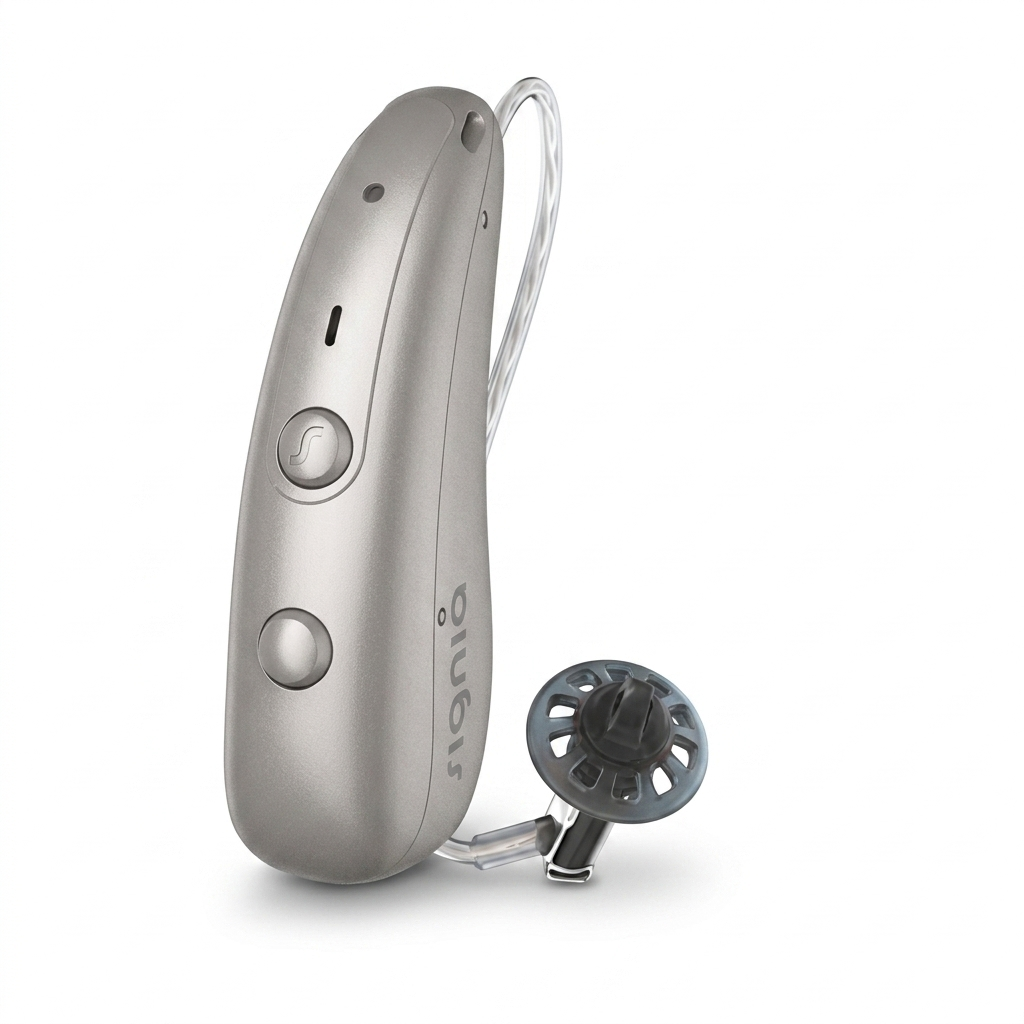
A premium rechargeable RIC built for clear conversations and all-day wear. Direct Bluetooth streaming and app control make daily adjustments simple, while the slim design stays discreet.
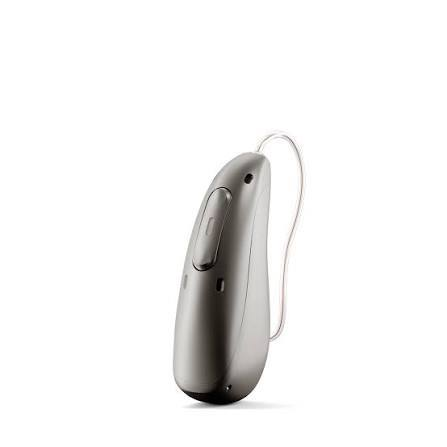
Phonak Sphere processing is built for tough listening scenes. Universal Bluetooth support and AutoSense-driven automation help speech stay natural as your environment changes.
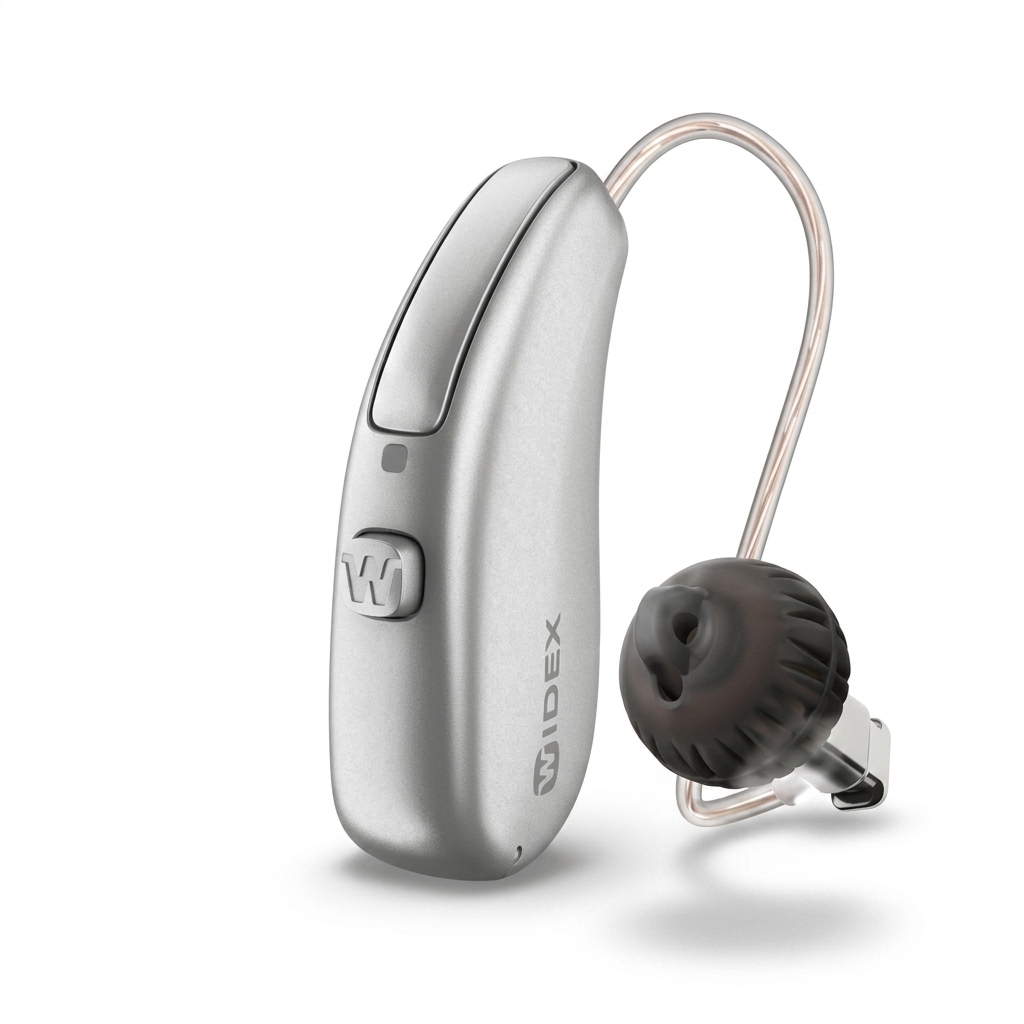
Allure focuses on a natural, fast sound experience with PureSound ZeroDelay processing. Rechargeable power and multi-device streaming support a clean, modern listening day.
Quick note about the 7-day trial: This trial is for people buying hearing aids on their own (private pay). It is not part of insurance orders. See the simple explanation.
Many of the newest hearing aids stream calls, video chats, music, and media directly from compatible smartphones. Companion apps also let you adjust volume, programs, and preferences without fumbling with tiny buttons.
When you compare models, ask about iPhone support, Android support, multi-device pairing, and how stable streaming feels during a normal day - not just in a quiet demo room.
Auracast is an emerging broadcast audio technology built on Bluetooth LE Audio. In supported venues, compatible hearing aids may one day receive clearer public audio from systems in places like theaters, transit hubs, or meeting rooms.
Adoption is still growing. The practical takeaway: newer platforms with LE Audio-ready hardware are better positioned as public Auracast spaces expand.
Rechargeable hearing aids reduce battery changes, simplify handling, and often improve durability because there is no constantly opened battery door. Most wearers charge overnight and go.
If your current hearing aids are several years old, a 2026-era upgrade can feel dramatic in noise, streaming, and day-to-day comfort. The right path still starts with a fresh hearing evaluation and a real-world trial mindset.
Bring notes about where you struggle most. Those details matter as much as the brochure features.
Beyond the flagship three, Ear to Hear also helps patients explore other strong current options across Phonak, Signia, Widex, and CROS solutions.
Slim rechargeable design with a modern look for patients who want discreet style plus strong everyday performance.
A ready-to-wear style option for people who want a simple, modern path into better hearing.
Nearly invisible in-canal convenience for patients prioritizing discretion.
Power-focused Phonak technology for listeners who need stronger support.
Custom in-canal craftsmanship for a personalized fit and discreet wear.
Solutions designed for single-sided hearing challenges so speech can be routed more effectively.
Product details help, but the best choice still comes from matching technology to your hearing test and daily listening needs.
If restaurants, worship services, or open offices drain you, prioritize platforms known for adaptive speech support and fast scene changes.
Heavy streamers should confirm Bluetooth stability, app controls, and whether both phone systems in the household are supported cleanly.
Rechargeable cases are easier for many people than tiny batteries. If dexterity is a concern, ask to handle the chargers in clinic before deciding.
Some patients want ultra-discreet in-canal options. Others prefer a modern RIC look with stronger wireless feature sets. Both paths can be excellent when fitted well.
If hearing is much stronger on one side, ask about CROS or BiCROS pathways rather than forcing a standard pair that cannot solve the underlying imbalance.
Great first-fit settings are only the start. Make sure you know how adjustments, cleanings, and check-ins work after the trial week.
Ear to Hear keeps the process practical: test first, explain your results clearly, compare a short list of strong current models, then use real-world listening during your trial to decide with confidence.
If insurance may help, bring your card to the appointment or review our insurance processing guide before you visit. Benefit details vary by plan year, so verified answers beat assumptions every time.
The newest chip only helps if programming matches your hearing loss and real environments. Ear to Hear provides local testing, fitting, and follow-up across 12 centers in Florida, Illinois, and Missouri.
That means you can try modern technology with support nearby when you need fine-tuning, cleaning guidance, or program updates.
A lot of people ask, "Can I use the 7-day trial with my insurance?" Here is the easy answer.
If you pay for hearing aids yourself, we can often let you try a pair from our office stock for 7 days. That way you can hear at home, at church, in the car, and with family before you decide.
If you use insurance or a hearing benefit plan, we have to follow that plan's process for ordering hearing aids. Those devices come through the plan's system, not from our office trial stock.
Every plan is a little different, but the plans we work with do not allow our office 7-day free trial on insurance-ordered hearing aids. Your plan may still have its own return or satisfaction rules, and we will help you understand those when we review your benefits.
Either way, you are not stuck guessing. Come in for a free hearing test, tell us if you want to use insurance or buy on your own, and we will explain the next step in plain English.
Ear to Hear has 12 hearing centers across Florida, Illinois, and Missouri so you can test, fit, and fine-tune new technology close to home.
Schedule a free hearing test, compare newer hearing aid options, and we will help you understand trial options or insurance - in plain language.